
Orange County Address History Sources
No single roll names every person who occupied an Orange County property. The parcel record supplies the present legal key. Deeds carry ownership backward, while directories and census sheets add household evidence. Permits date work on the structure, not the people living inside it. Use the source whose time span and purpose fit the question, then confirm the answer in a second record.
| Source | Years It Covers | Where Held | What It Shows |
|---|---|---|---|
| Official Records deeds | Certified records from 1878; web cutoff unstated | Orange County Comptroller | Grantors, grantees, dates, legal descriptions |
| City and criss-cross directories | Annual and intermittent volumes | OCLS and Regional History Center | Names associated with an address |
| Federal census schedules | Public person-level schedules through 1950 | NARA and library databases | Households at decennial snapshots |
| FastTrack permits | Pre-1977 property records unavailable | County or municipality | Construction, certificates, parcel activity |
| Plats and Sanborn maps | Varies by series and place | Comptroller and archives | Lot identity, footprint, use, street context |
For a recent transfer, start with the Orange County Property Appraiser and the recorded deed. For a mid-century household, ask the library for a reverse or criss-cross volume. For an earlier family, compare the deed's legal description with maps, directories, and the public census. That order keeps previous residents tied to the same land even when a street label changes.
Start Orange County Records Today
The current parcel is the cleanest starting point because it joins the situs address, parcel number, owner name, mailing address, legal description, sale data, and map. A situs address describes the property location. A mailing address is where the tax notice goes, and it may point elsewhere. Neither field alone proves who sleeps at the property.
Copy the parcel number and legal description exactly. Those identifiers are more durable than a house number. In OCPA Webmap, the SITUS search can use the address or parcel. Address Points are a separate layer and can include apartment or store units, so unit searches omit words such as “Unit” or “Apartment #.” Save the source date because the roll changes after transfers and corrections.
Note: A matching mailing and situs address can support an owner-occupancy clue, but it does not prove every member of the household.
Search Orange County Deed Parties
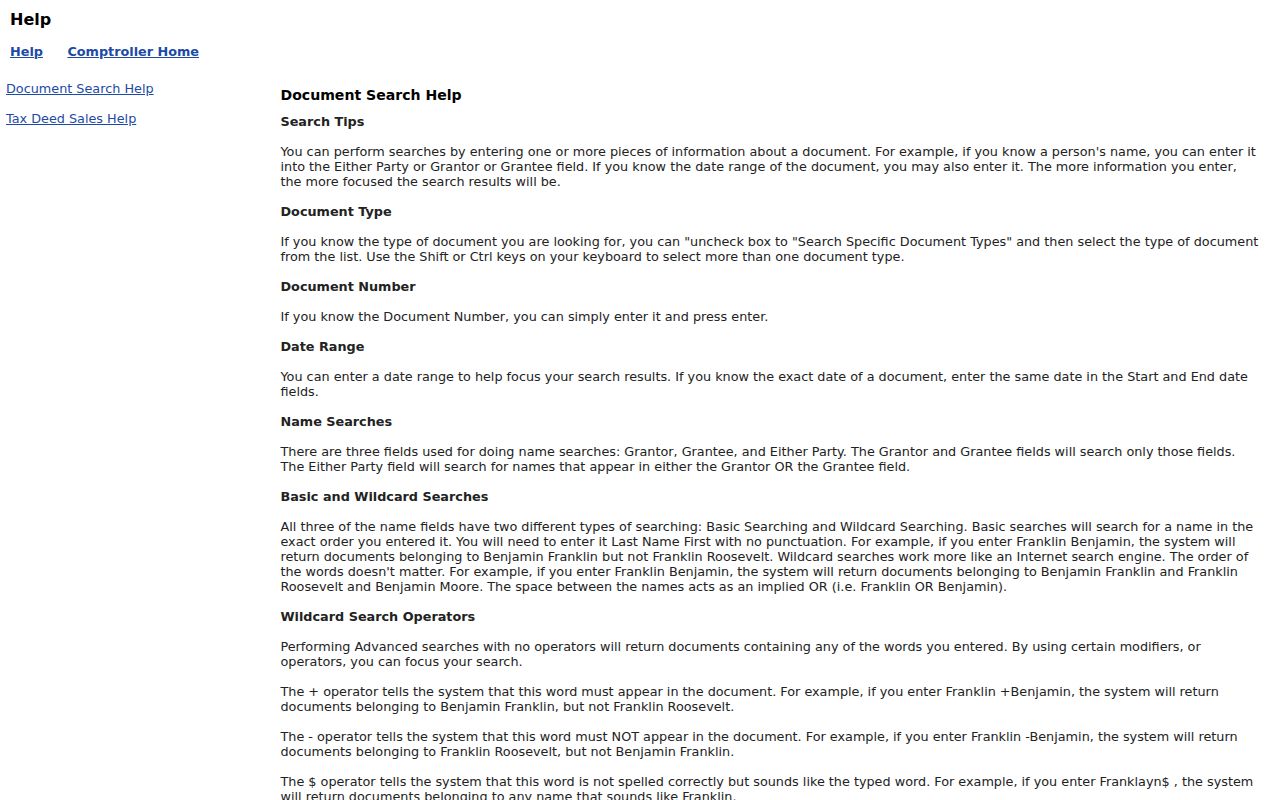
The Comptroller Official Records search accepts grantor, grantee, either party, document number, date range, parcel number, case number, document type, and legal remarks. Names use LAST NAME FIRST without punctuation. Wildcards and spelling variants matter. The online index is only a finding aid; the in-office index is official.
The county's search help explains spaces, stars, and multiple legal criteria.
Open the deed image when available and match its legal description to the parcel. A name match alone is weak in a large county. Plain online prints are free. County research also warns that official-looking deed-copy solicitations can cost far more than a typical certified deed.
Walk Orange County Ownership Backward
A chain of title is the linked sequence of transfers for the same land. Each deed usually names the seller as grantor and the buyer as grantee. To find previous residents, treat that chain as an ownership framework, then add sources that show actual occupants.
- Pull today's owner, parcel number, sale data, and legal description from the Property Appraiser.
- Find that owner's purchase deed in Official Records and confirm the parcel or legal description.
- Take the seller's name from that deed. Search that person as a grantee to locate the earlier purchase.
- Repeat the link. Record document numbers, dates, names, and book or page references.
- If the web search stops, call or visit the Comptroller for the official index and older books or microfiche.
- Grantor and grantee
- The grantor gives or sells an interest; the grantee receives it.
- Chain of title
- The connected deeds transferring the same property through time.
- Legal description
- The lot, block, subdivision, or other land description used in deeds.
Where Orange County Indexing Changes
Orange County certified Official Records begin January 1, 1878, but the research did not establish one exact start date for every web-searchable image or field. A 1956 alphabetical index exists on legacy microfiche. That clue does not prove all records since then appear online. Older deeds may require staff help, the official in-office index, deed books, microfilm, or a FamilySearch catalog image.
Do not assign one start year to deeds, plats, probate, marriage books, and court files. Each series has its own coverage and custody. Orange County was called Mosquito County until 1845, and later boundary changes reduced its area. An early parcel may belong under a historic county name or boundary that does not match today's map.
Note: Search the historical jurisdiction and place name when modern Orange County boundaries fail to explain an early record.
Orange County Permits Date Changes
Permits can show when a structure was built, enlarged, repaired, or issued a certificate. They do not establish each occupant. Orange County FastTrack covers unincorporated property, while an incorporated address must go to Orlando or its own municipality. County research says commercial and residential property records before 1977 are unavailable through this building-record route.
Historic plats preserve lot and block identity when street labels drift. Sanborn fire-insurance maps can add a building footprint, materials, use, and nearby structures for mapped urban areas. Compare map editions rather than assuming one sheet covers all of Orange County. The Master Street Address Guide, annexation records, and historic maps can bridge a changed address.
Keep the roles separate. A permit applicant, deed owner, tax-mail recipient, and resident may be four different people.
Orange County Deed Alerts Explained
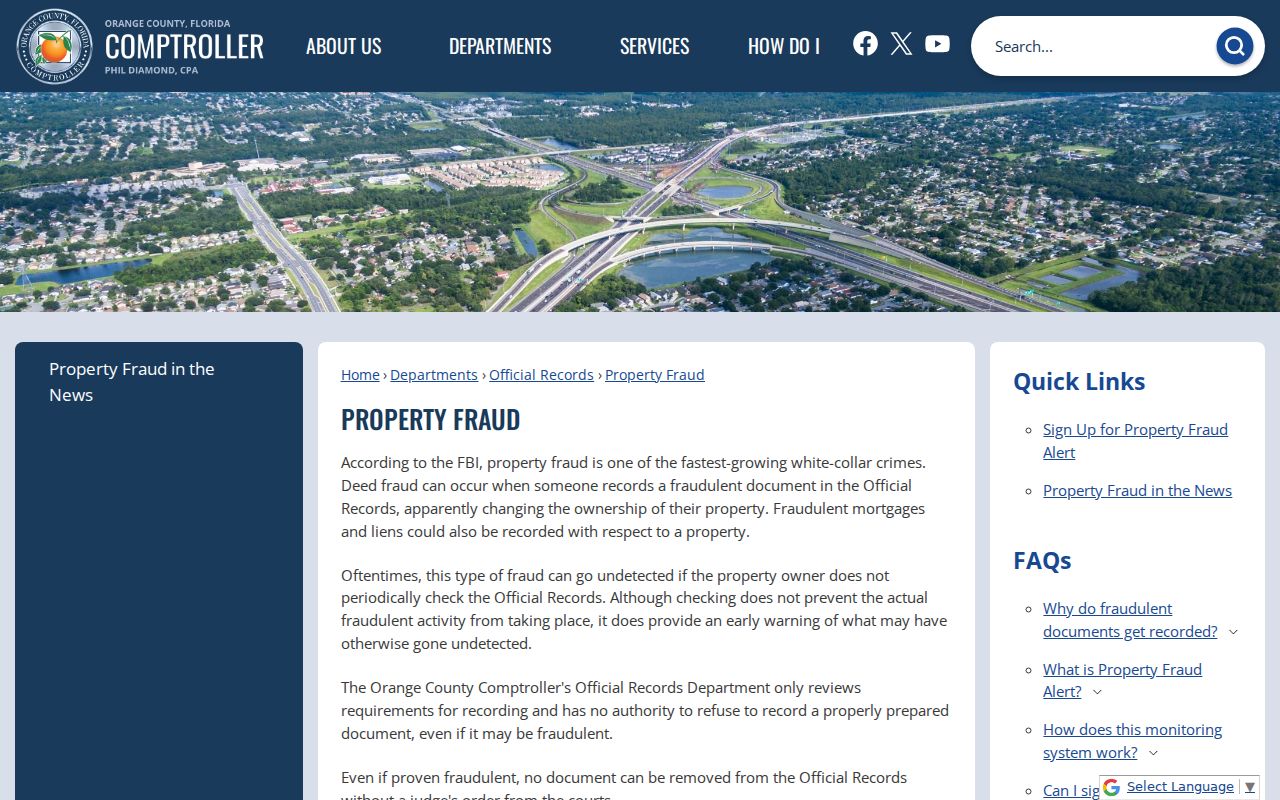
The Comptroller's Recording Notification Service monitors new documents under a chosen personal or business name. It can warn an owner that an instrument was filed, but it does not block recording or prove fraud. The recorder generally cannot reject an otherwise recordable item merely because it may be false, and removing one usually requires a judge's order.
The Comptroller's property-fraud page shows that distinction.
For address history, the alert is most useful at the live end of a deed chain. It cannot reconstruct past residents, but it can flag a new filing that changes the current record trail.
Match Orange County Past Households
Owners are only part of the answer. A reverse or criss-cross directory organizes entries by address and can name an occupant for one publication year. OCLS and the Regional History Center hold annual and intermittent Orlando volumes, but shelf years and coverage must be checked volume by volume. The collections are treated in depth on the Orange County city directory page.
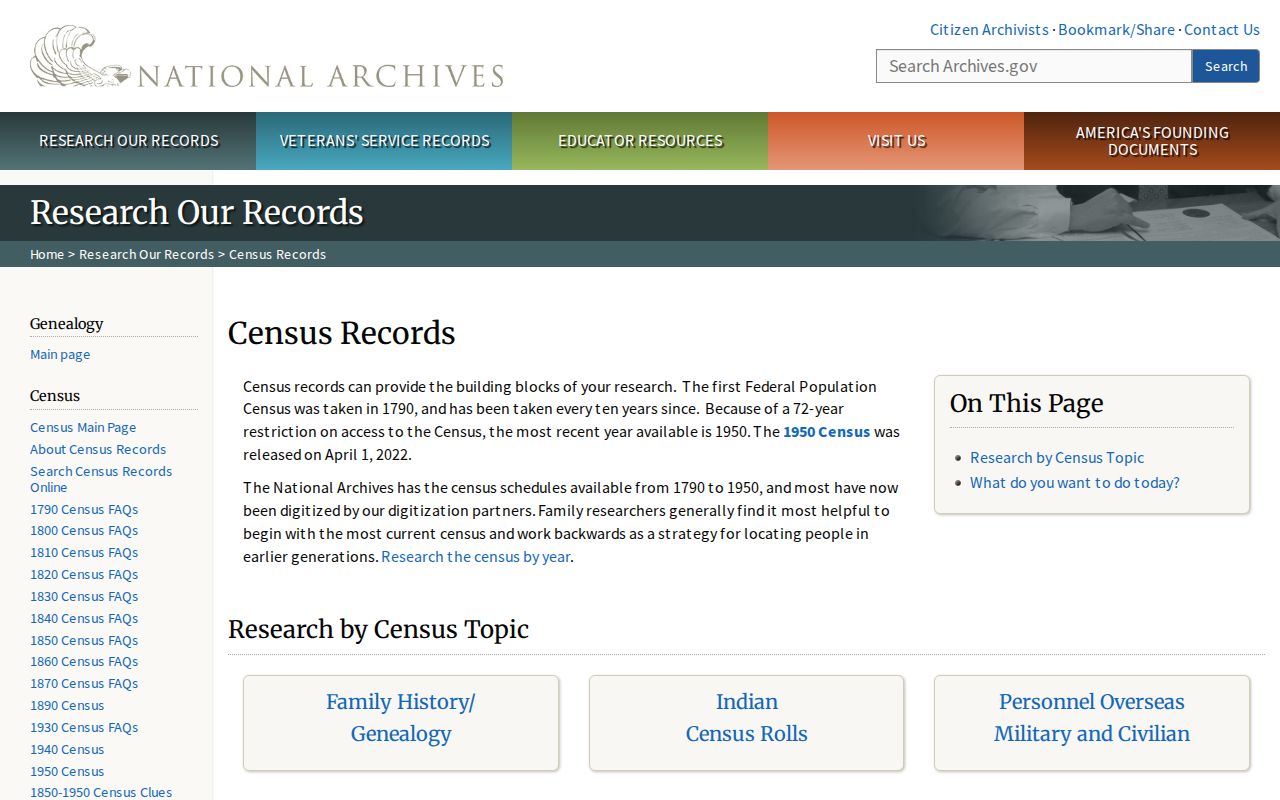
Check the nearest directory before a public census year, read the census household, then check the next volume. Public person-level federal schedules stop at 1950 under the 72-year rule. The 1890 schedules were largely destroyed nationwide, so directories, newspapers, and deeds bridge that gap. Obituaries can link a former resident to relatives and another place. Probate may name a representative, heirs, and estate property, but not every named relative lived in the house.
The National Archives census research page explains the schedule channel.
Lawful use. Research previous residents for house history, genealogy, heirs, or personal curiosity. Never use an address trail to watch, harass, or harm a living person.
Orange County Archive Fallbacks
When a prior resident disappears from the government trail, Orange County's library and archive network can supply context. Orlando Memory searches people, places, groups, events, and topics. Its scans include school yearbooks, church directories, newsletters, photos, oral histories, and funeral-home material. These selective collections are not full resident rolls, yet they can connect a surname to a school, congregation, club, or neighborhood.
The Orange County Regional History Center's research center holds maps, newspapers, manuscripts, photographs, ephemera, and vertical files. Access may require an appointment and staff help. UCF Special Collections adds Central Florida organization and university records, while Florida Memory and FamilySearch broaden the search. Ask for the exact street, subdivision, family name, and date span. A focused request is easier to answer than a broad request for everyone who lived at an address.
Greenwood Cemetery records and local newspapers may close the trail after a death. They can show burial, kin, funeral notices, and address-linked reporting. Treat those references as leads, then return to the deed, directory, census, or probate record for confirmation.